⭐ 4.9 rating | 1.4K+ course reviews
Become a Certified Hands-On EV Repair Specialist.
Build Skills. Gain Experience. Launch Your Career.
Train on real EV batteries, motors and controllers with expert trainers at TCoE, and earn a certificate that proves your skills.
- Practical lab training, not just theory
- Learn fault diagnosis & troubleshooting on real EV systems
- Course certificate (ESSCI certification where applicable)
- Beginner-friendly: start from the fundamentals
Request a Free Call Back
Takes 30 seconds. Our counsellor will explain the course, batches and fees.
Why EV Skills Are in Demand
Electric scooters and e-bicycles are becoming a common sight on Indian roads, and every one of them needs trained people to diagnose battery faults, repair motors and service controllers.
Theory alone does not prepare you for a real fault on a real vehicle. That is why our programme puts the work on the bench: you learn by opening, testing and repairing actual EV systems under trainer guidance.
- Understand how EVs work, from battery to wheel
- Build confidence with tools, testing and safe practices
- Be ready to apply your skills in service work or your own venture
Who is this for
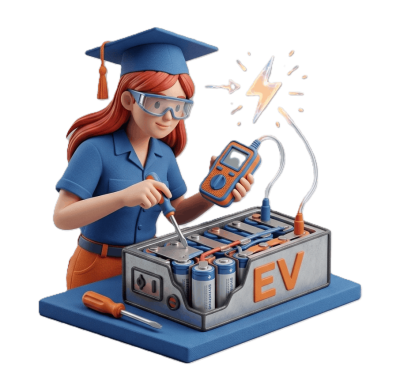
Built for aspiring EV professionals who want hands-on experience, not just theoretical knowledge. Learn by working on real electric vehicle systems with practical, industry-focused training. Gain the skills, confidence, and certification you need to take the next step in your EV career.
- ITI & diploma students
- Mechanics & electricians
- Engineering students
- Future workshop owners
TCoE Trainings Certificate
Gain industry-ready skills with hands-on training and certifications that strengthen your resume.
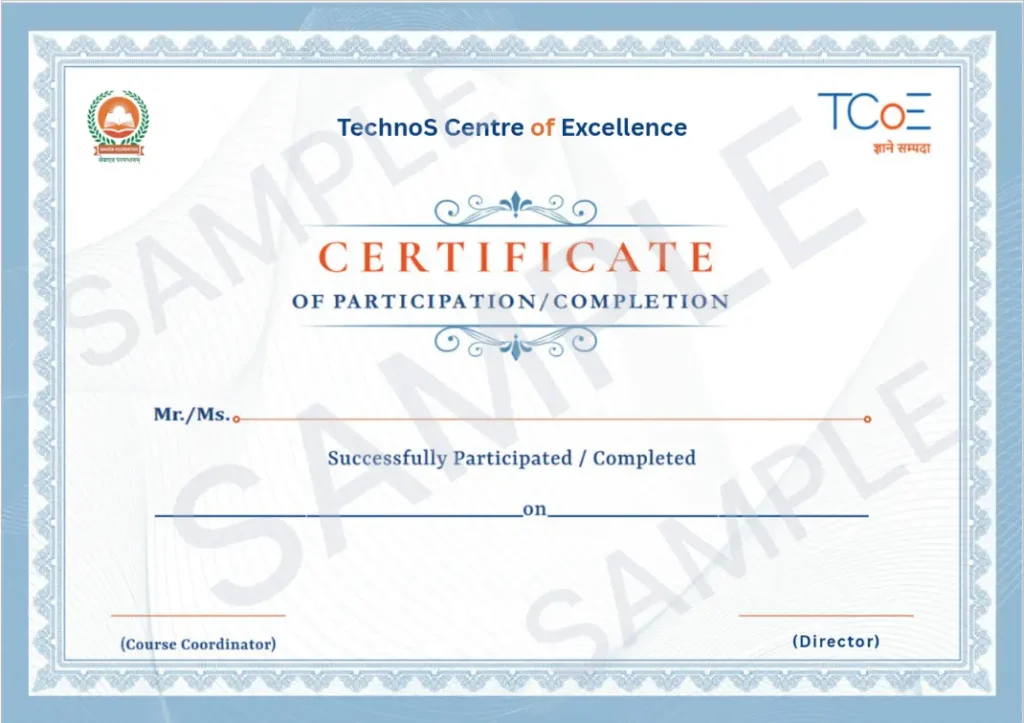
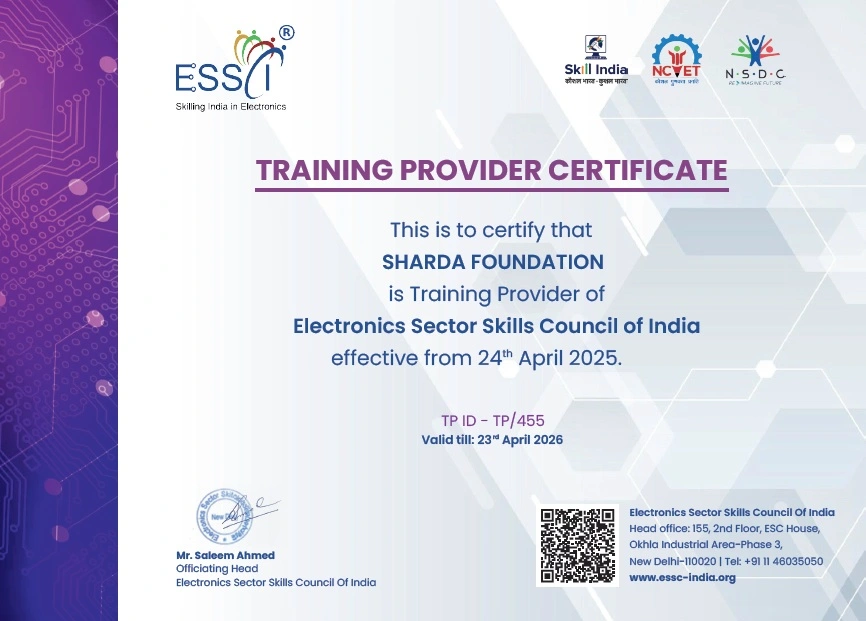
TCoE is an ESSCI-Certified Training Institute
Receive industry-focused, hands-on training at an ESSCI-Certified training institute in india
Choose Your EV Training Track
Not sure which one fits? Our counsellor will help you decide.
EV Scooter Technician
Diagnose and repair electric scooters: battery, motor, controller and charger.
EV Bicycle Technician
Assemble, service and troubleshoot electric bicycles.
Battery Systems Technician
Go deeper into battery packs, BMS and testing with our expert & work on live Projects
What You Will Learn in TCoE's EV Courses
Self-taught and scattered learning vs. structured, hands-on EV training.
← Swipe sideways to see the full table →
| What matters | Without training Theory only | With TCoE EV courses 72–108 hrs hands-on |
|---|---|---|
| EV fundamentals | Scattered videos; no clear picture of how an EV differs from a petrol vehicle | EV types, major components, working principles and EV vs. conventional vehicles EV Scooter · EV Bicycle |
| Battery & BMS | Knows "lithium-ion" by name, but unsure how to test or handle a pack safely | Cell chemistry, pack configuration, BMS, charging, thermal management and faulty-cell testing Battery Systems Technician · EV Scooter · EV Bicycle |
| Motors & controllers | BLDC motor and controller are a black box | BLDC motor and controller testing, throttles, sensors, displays and drive systems EV Scooter · EV Bicycle |
| Wiring & troubleshooting | Guess-and-replace repairs that cost money and time | Wiring harness inspection and repair, systematic fault diagnosis, testing and maintenance EV Scooter · EV Bicycle · Battery Systems Technician |
| Charging & safety | Learns safety the hard way, on live high-voltage systems | Charging-system checks, safe handling practices and EV safety protocols All three courses |
| Practical exposure | Textbook knowledge with no workshop practice | Mostly practical from day one: assembly, servicing, battery module building and repair on real components Offline training in Jaipur |
| Certificate | No formal proof of training for your resume | TCoE course certificate from an ESSCI-certified training institute |
| Career readiness | Unclear which roles to apply for | Prepares you for roles like EV Scooter Technician, E-Bike Service Technician, Battery Pack Assembly Technician and EV Service Executive, with placement assistance |
A certificate alone does not guarantee a job; practical skill and troubleshooting ability matter most.
Success Stories from Our Learners
Join TCoE and gain practical knowledge, industry-recognized expertise, and the confidence to achieve your career goals.




Frequently Asked Questions
Q. What is an EV repair course, and what will I actually learn?
An EV repair course teaches you to diagnose, service and repair electric vehicles. You learn about battery packs, electric motors, motor controllers, onboard chargers, regenerative braking and high-voltage safety. Good courses add hands-on lab time, so you work on real components instead of only reading theory.
Q. Is EV repair really a good career, or is it hype?
Demand is real. Electric two-wheelers, three-wheelers and cars are growing in India, and most traditional mechanics aren’t trained on high-voltage systems. That gap creates demand for skilled technicians. The caveat is that the career only pays off if your training is practical and current, so check the course before you enrol.
Q. Do I need an engineering degree to join?
No. Most EV technician courses accept ITI, diploma or 12th-pass students, and some accept experienced mechanics with no formal qualification. A basic grasp of electricity and circuits helps, but a good course teaches this from the start.
Q. How is EV repair different from fixing a petrol or diesel vehicle?
ou swap engines, fuel systems and exhausts for batteries, inverters and software. Diagnosis relies on scan tools and battery management data more than on listening for a knock. The bigger difference is safety. EV battery systems run at high voltage, and a mistake can cause serious injury. This is why trained technicians are valued over “trial and error” mechanics.
Q. How long does the course take, and what does it cost?
Short skill courses run from a few weeks to a few months, while diploma-level programs take longer. Fees vary widely by institute, depending on lab facilities, trainers and certification.
Q1. Is this course practical or theory-based?
Our courses combine theoretical concepts with extensive hands-on practical training to help learners develop real-world skills.
Q2. Are the courses suitable for beginners?
Yes. Most courses start with the fundamentals and gradually progress to advanced concepts, making them suitable for beginners and professionals alike.
Q1. Will I receive a certificate after completing the course?
Yes. Eligible learners receive a course completion certificate after successfully meeting the course requirements.
Q2. Is the certificate recognized by the industry?
Certification depends on the specific course. Several TechnosCOE programs include industry-recognized certifications such as ESSCI where applicable.
Q3. Do I need to pass an assessment to earn the certificate?
Yes. Online learners can complete eligible courses at their own pace within the stipulated time.
Q: How long does the EV repair course take to complete?
The course is 72 hours of focused training, enough to build job-ready fundamentals without a long-term commitment. You learn EV components, battery and motor basics, diagnostics and high-voltage safety, with a strong hands-on focus.
Q3. What languages are the courses available in?
Most courses are available in English and Hindi.
Q4. Are weekend or flexible schedules available?
Training schedules vary by batch and course mode. Please contact our team for the latest batch timings.
Q1. What kind of support will I receive during the course?
You will receive continuous support from experienced instructors through live doubt-clearing sessions, practical guidance, assignments, and technical discussions to help you succeed throughout the course.
Q2. Can I contact the instructor if I have doubts after class?
Yes. Learners can reach out to instructors during designated doubt-clearing sessions or through the institute’s communication channels for additional guidance.
Q3. Will I receive support for course projects?
Yes. Instructors provide guidance throughout the project lifecycle, including project selection, implementation, debugging, testing, and documentation.
Q4. Is technical support available if I face issues with software or hardware setup?
Yes. The support team assists learners with installing development tools, configuring software, and resolving basic hardware setup issues required for the course.
Q5. How can I contact the support team for further assistance?
You can contact the support team through the institute’s official communication channels, such as email, phone, live chat, or the student support portal. The support team is available to assist with course-related queries, technical issues, and administrative requests.
Upgrade Your Skills. Accelerate Your Career.
TCoE Empowers learners worldwide to advance their skills and careers. Become part of our learning community today!